Our recent archival findings and more
In May, our Principal Investigator Justyna was able to travel to New York City, where she viewed the 1923 silent The Call of the Wild at the Museum of Modern Art, and to Washington, D.C., where she viewed the 1925 Baree starring Anita Stewart. Baree is the film that she helped uncover and which has now been graciously preserved by the Library of Congress. Many thanks to Zoran Sinobad from the Moving Image Research Center of the Library of Congress for making this possible. Justyna was also able to work with archival materials related to the making of both films.
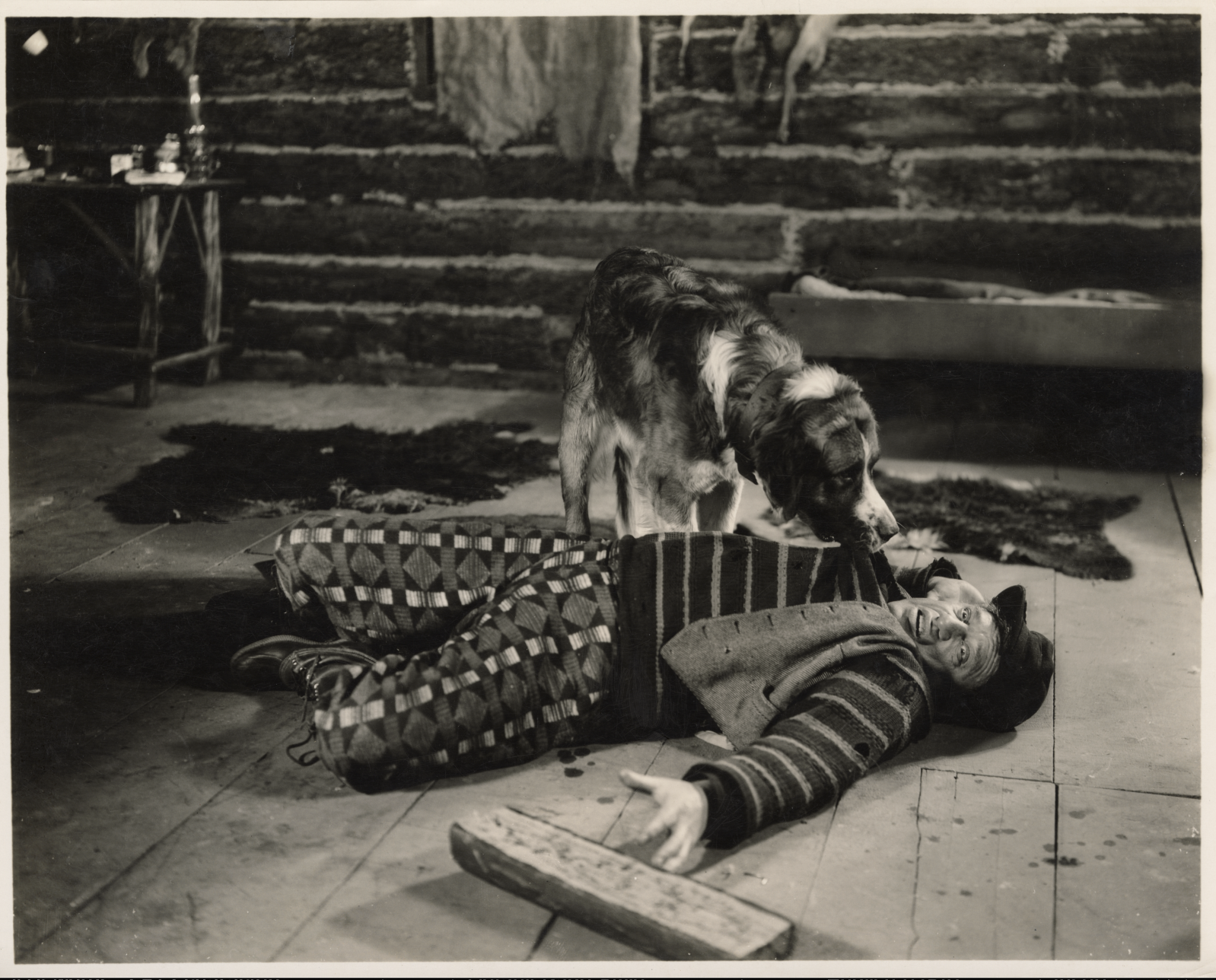
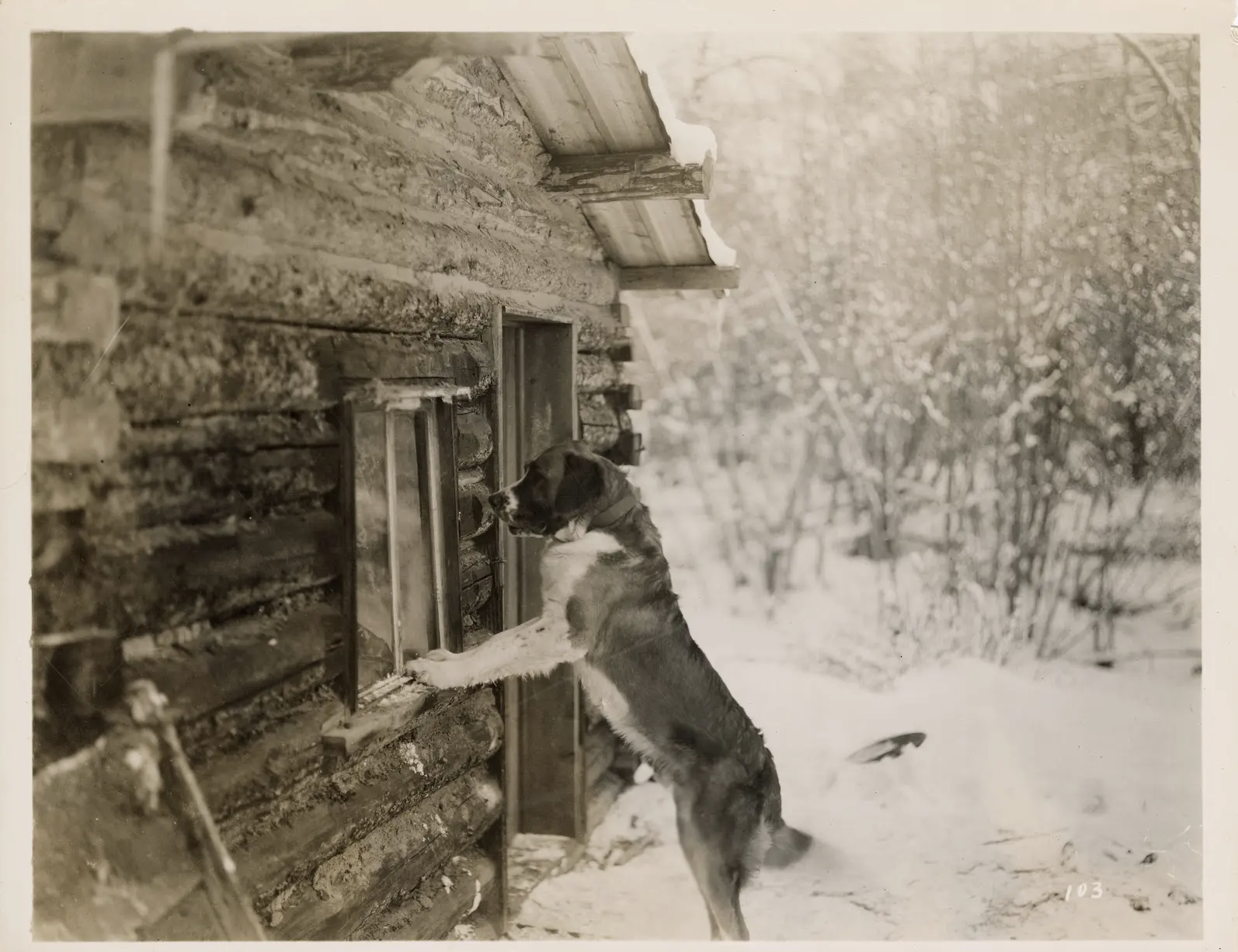
Somewhat ironically, it was the 1923 The Call of the Wild, rather than the long-awaited Baree, that made the greater impression on her. It is a deeply canine-centered film that maintains the dog’s perspective in a way that parallels the focalization of the novel. The film does so in a remarkably matter-of-fact way, using intertitles that either quote the novel directly or recreate its focalization, without any self-conscious formal experimentation. In a sense, it does not actively work towards becoming animal-centered—it simply is animal-centered, almost by accident. This suggests that mature silent cinema, more broadly, had at its disposal a technique that enabled it to recreate the free indirect discourse typical of London and Curwood’s novels through the use of intertitles.
The shift away from animal stars with the advent of the talkies—the decline of figures such as Strongheart and Rin Tin Tin is the usual example—has often been interpreted as a consequence of the possibilities offered by synchronized sound (see the chapter “The Dogs Who Saved Hollywood” by Kathryn Fuller Seeley and Jeremy Groskopf in the volume Cinematic Canines, edited by Adrienne L. McLean). However, there is clearly more to explore in this transition, including the question of why voice-over narration could not simply replace intertitles as talkies took over.
In July, Justyna and Jack took part in the conference of the Association of Adaptation Studies, which this year featured a theme ideally suited to both Jack’s interests and Justyna’s work on silent cinema: Adaptation and Aurality. Jack presented a paper on the 1936 adaptation of MacKinlay Kantor’s novel The Voice of Bugle Ann, focusing on representations of the canine bark in the novel and the film. Meanwhile, Justyna explored the possibilities of silent cinema through a comparison of the 1923 silent version of The Call of the Wild—the film she viewed at MoMA—and the 1935 sound adaptation starring Clark Gable.